Protect Aging Joints Before It's Too Late
Senior dogs often start losing joint comfort long before we notice. The changes can be small at first, like shorter walks, slower mornings, or skipping a favorite climb. In warm summer months, when families are more active and travel is common, these quiet aches can grow. Extra jumping into cars, onto beds, or off couches adds up, day after day.
A well-chosen senior dog ramp can help take pressure off aging hips, knees, and backs. When used the right way, a ramp turns a hard jump into an easy walk. The problem is that even loving pet parents can make small mistakes with dog ramps that secretly strain senior joints. Here, we will walk through the most common issues and how simple changes can keep older dogs more comfortable at home.
Misjudging Your Dog's Real Mobility Limits
Most senior dogs are experts at hiding pain. They still wag, follow us around, and perk up for treats, especially when summer fun is happening. Excitement covers up stiffness. By the time we see a clear limp or hear a whine, those joints may have been sore for a long while.
Some signs that a ramp is needed sooner than we think include:
- Hesitating before jumping onto the bed or couch
- Taking stairs more slowly or pausing halfway
- Slipping on hardwood or tile when turning or sitting
- Choosing lower spots to rest instead of favorite high places
If we ask an aging dog to use a ramp that is still too steep or too high, it can feel like a jump in disguise. They may push off hard with the back legs or land with a big thud in the front, which adds stress to arthritic joints and sensitive backs. When we respect their real limits, not just what they try to do, we can choose and set up ramps that truly help instead of secretly hurting.
Choosing Ramps That Are Too Steep or Too Narrow
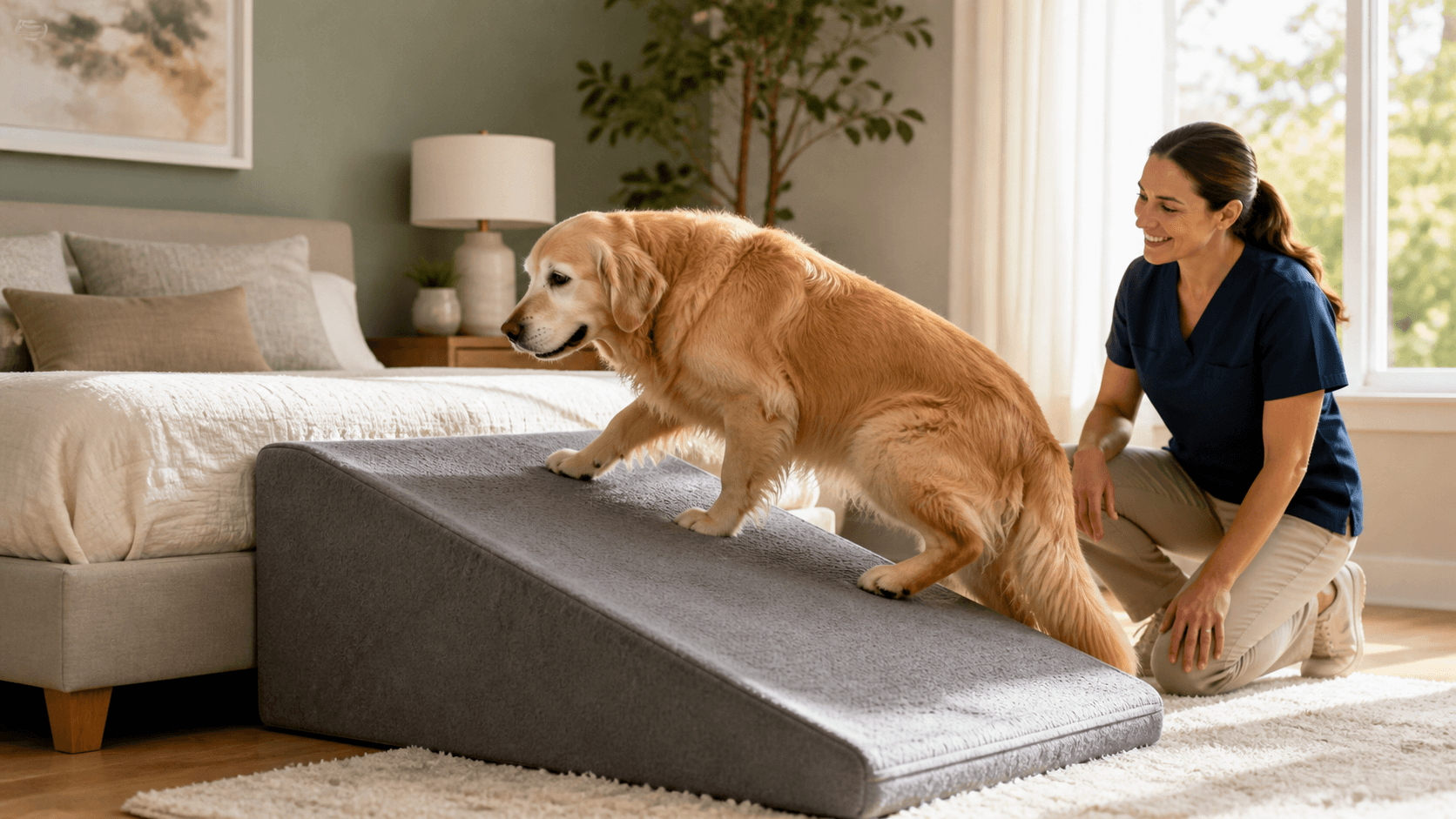
One of the biggest hidden mistakes with any senior dog ramp is the angle. A very steep ramp forces dogs to lean forward and pull with their shoulders while pushing hard behind. That can strain the spine and make sore hips and elbows feel worse. A gentle incline is much easier on senior bodies.
A safer setup usually means:
- A longer ramp so the climb is gradual, not sharp
- Enough width so your dog can walk naturally without hugging the edge
- A flat, comfortable surface that supports the whole paw
Narrow ramps can make dogs tense up. When they feel close to the edge, they may shorten their steps or spread their feet in a stiff way that is tough on joints. Short ramps create harsh angles, which can turn every trip up or down into a mini workout instead of a smooth glide. Furniture-grade foam ramps, like the ones we design at Royal Ramps, are built to offer generous surface area and a soft, even climb to beds, sofas, or other favorite spots so senior dogs can move with more confidence.
Ignoring Stability, Traction, and Home Surfaces
Even a good ramp can cause trouble if it shakes or slides. Wobbly ramps, hard edges, and slick surfaces lead to slips, flinches, and those heart-stopping "almost falls." For a senior dog, a near fall can be enough to twist a knee or flare up existing arthritis. It can also make them afraid to use the ramp again.
It helps to look at three things together:
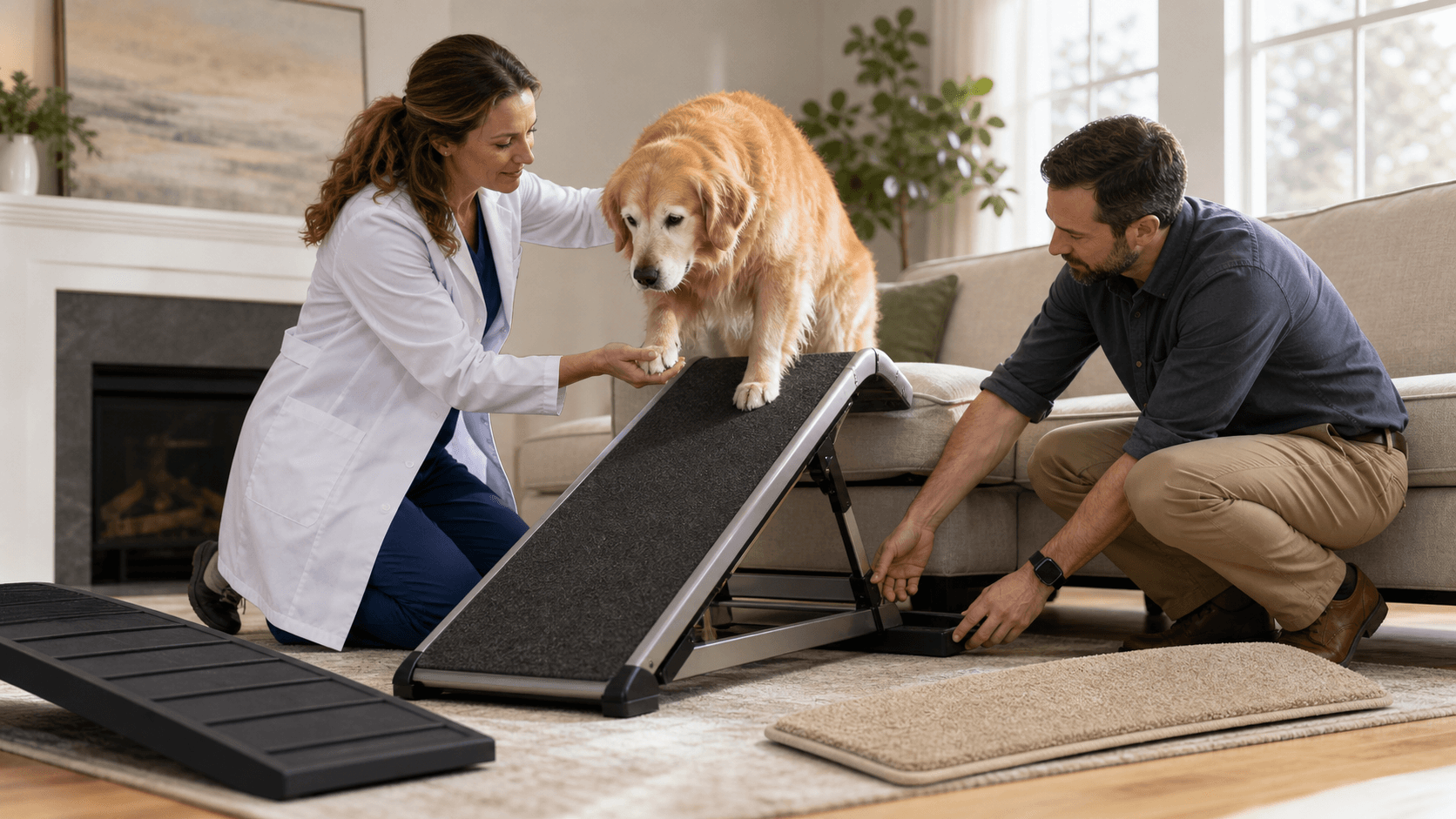
- How steady the ramp feels when you press and wiggle it
- How much grip your dog's paws have on the ramp cover
- What kind of flooring is under the ramp, like carpet, hardwood, or tile
On smooth floors, the base may need extra grip so the whole ramp does not scoot when your dog climbs. Soft foam construction is very helpful here. Quality foam with furniture-grade fabric covers can absorb impact, cushion tender joints, and give paws reliable traction in all seasons, whether the air is dry and hot or more humid.
Forcing Fast Training Instead of Gentle Confidence
Another common mistake is rushing ramp training. When we are busy with summer schedules or getting ready for guests, it is tempting to place the ramp and expect our senior dog to "get it" right away. But if a dog is unsure, they may leap off halfway, scramble up too quickly, or twist their body to turn around. All of these moves can strain already sensitive joints.
A slower, kinder plan usually works better:
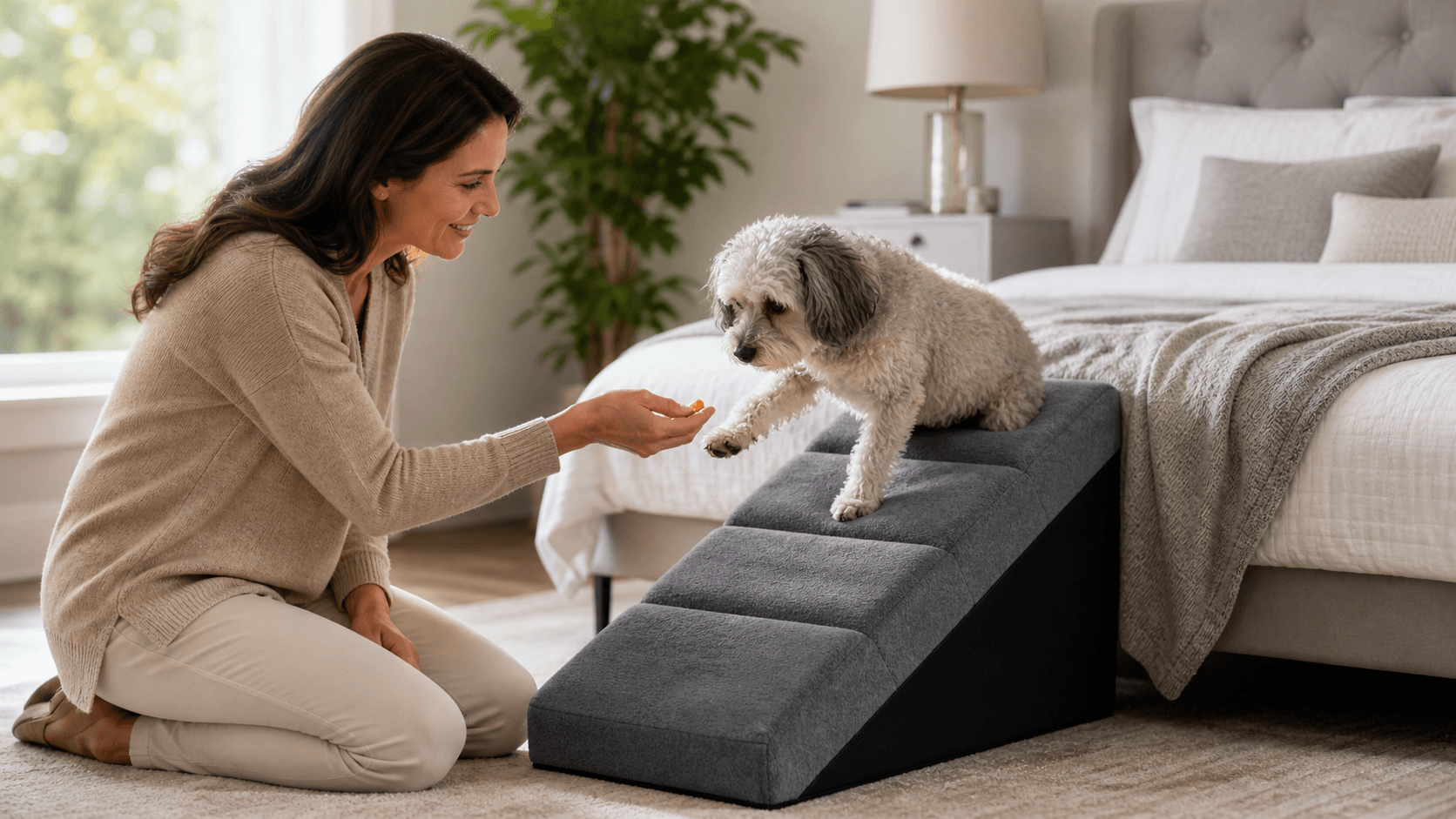
- Start with the ramp flat on the floor so it has no height at all
- Use small treats and calm praise for every step in the right direction
- Keep first sessions very short and stop before your dog gets tired or worried
- Gradually raise the ramp only when your dog walks it comfortably several times
Keeping the ramp in one consistent location helps older dogs trust it. When the angle and height stay the same, their muscles can learn a smooth, natural pattern. Over time, the ramp becomes part of the daily routine, not a strange object they have to figure out again each day.
Placing Ramps Where Dogs Still Have to Jump
Many pet parents set up a ramp with the best of intentions but leave a small gap at the top. Maybe the ramp sits a few inches below the mattress or sofa cushion. To us, that space looks tiny. To a senior dog, that last little "hop" can be the hardest part.
Unsupported gap jumps at the top of a ramp can be even tougher on hips and elbows than jumping straight from the floor. Dogs often push off quickly or land at an odd angle because they think they are already safe. Over time, that small impact can irritate joints and undo some of the ramp's benefits.
To protect joints more fully:
- Match the ramp height as closely as possible to the bed or sofa
- Push the ramp in so there is no gap between the end and the furniture
- Check that the top of the ramp is not slanted down or drooping
A smooth, no-gap transition means your senior dog can walk every step, up and down, without a final jump or hard landing.
Upgrade Your Senior Dog Ramp, Upgrade Their Comfort
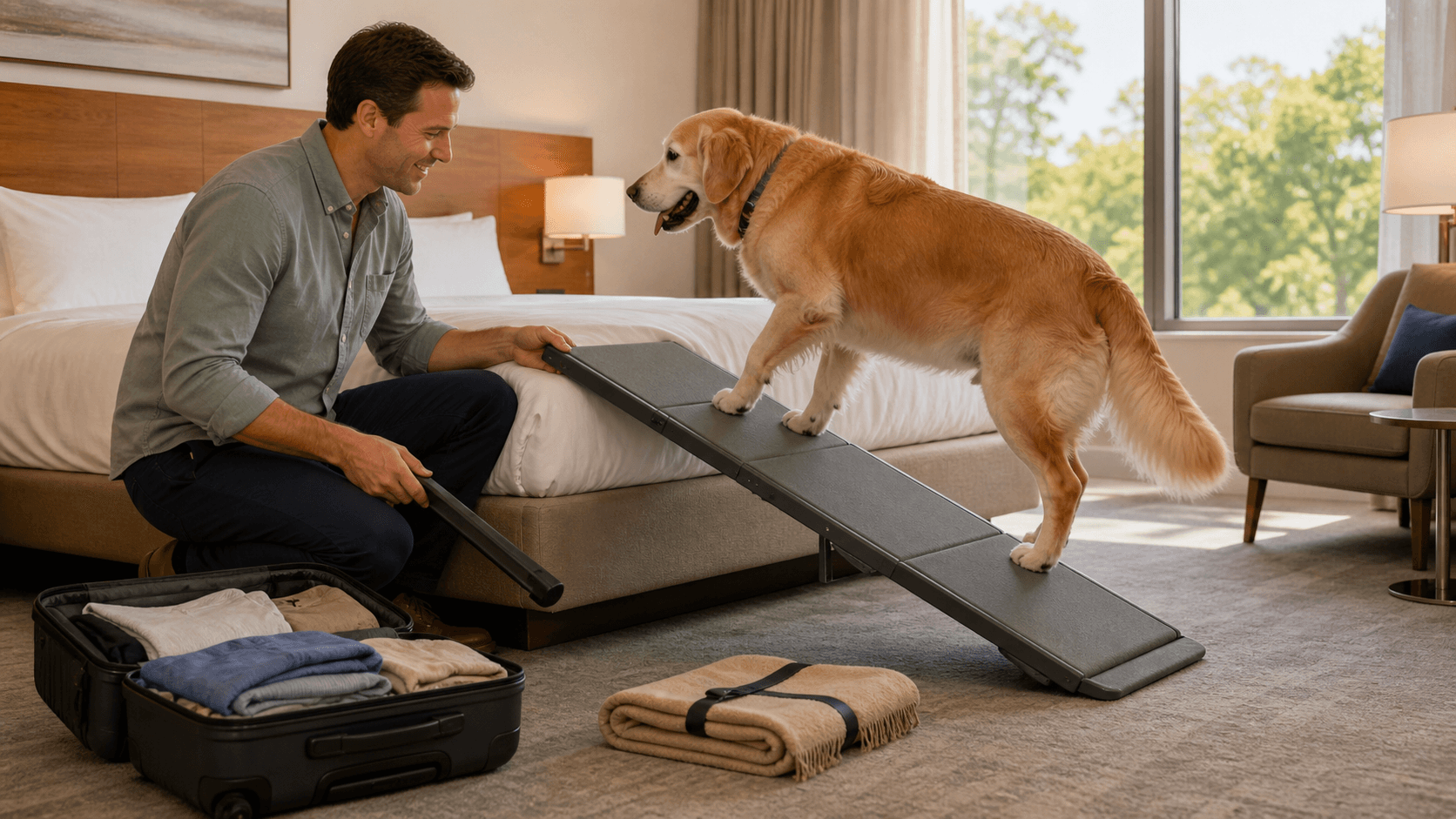
A helpful way to start is to walk through your home and note every place your older dog still jumps, twists, or climbs awkwardly. Beds, couches, window seats, even a favorite spot by a sunny window can all be problem areas. If you travel often, think about car access too, especially in hot months when pavement and parking lots can be slippery or tiring.
Small changes in ramp choice, setup, and daily use can add up to big comfort over time. A gentler angle here, better traction there, or a steadier base on hardwood can all help protect worn joints. At Royal Ramps, we design furniture-grade, made in the USA foam ramps and stairs with aging joints in mind so senior dogs can stay more confident and independent in the home they love.
Help Your Senior Dog Stay Comfortable And Independent
Give your aging companion safer, easier access to their favorite spots with a thoughtfully designed senior dog ramp from Royal Ramps. Our lightweight, furniture-grade ramps are built to support your dog's joints and reduce the risk of injuries from jumping. If you have questions about sizing, materials, or custom options, reach out through our contact page so we can help you choose the right solution.