When a dog is sore, stiff, or fresh out of surgery, simple things like getting on the couch can feel hard and risky. A therapeutic dog ramp gives your dog a softer, safer way to move so their joints and healing tissues are not taking a beating every single day.
In this article, we will walk through how arthritis and surgery change your dog's movement, what makes a ramp truly therapeutic, how to choose the right one for your home, and how to help your dog actually use it. Our goal is to help you protect your dog's body while still letting them enjoy their favorite cozy spots as the weather turns cooler.
Help Your Healing Dog Move Safely Every Day
As fall sets in and the air gets colder and damp, many dogs start to feel stiffer. Hardwood floors can feel extra slick, and steps to the yard or porch can be icy or wet. For a dog with arthritis or one who just had surgery, that mix can be a recipe for slips, soreness, and setbacks.
Even when a dog seems fine jumping off the couch or bed, each leap sends force through their paws, wrists, elbows, hips, and spine. Those big impacts can stress:
- Arthritic joints that are already inflamed
- Fresh surgical incisions and internal repairs
- Weak muscles that are still building strength again
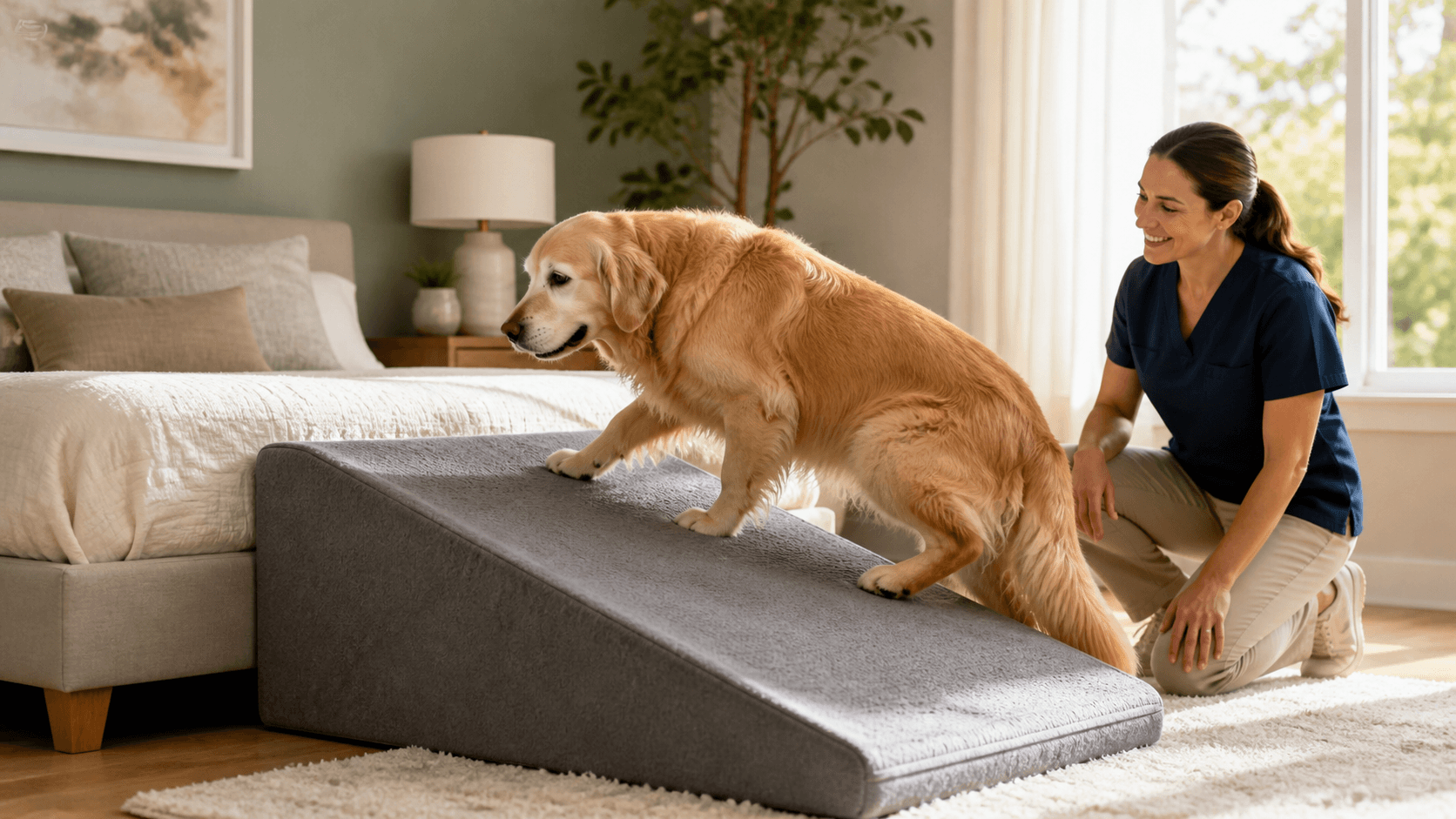
A therapeutic dog ramp gives your dog a gentle path instead of a crash landing. It turns a jump into a walk, so they can keep their favorite routines without as much pain or risk. Some ramps, like the foam styles we build at Royal Ramps, combine soft, high-density foam with furniture-grade covers so they look like part of your living room instead of medical equipment.
How Arthritis and Surgery Change Your Dog's Movement
Arthritis in dogs is all about wear and tear in the joints. The smooth cartilage that once let bones glide starts to thin. Inflammation sets in, and moving those joints can hurt. Cold, damp fall and winter weather can make that stiffness feel even worse.
For these dogs, activities like:
- Climbing steep stairs
- Jumping on and off furniture
- Launching into the car
can feel like asking someone with sore knees to hop off a high step again and again.
Post-surgery dogs face a different, but related, struggle. After procedures like ACL repairs, hip surgery, spinal work, or luxating patella corrections, vets usually give strict instructions to limit impact. Jumping, twisting, and rushing up and down stairs can strain the surgical site and slow healing.
Around the house, common setups can quietly work against that healing:
- High beds that need a big leap down
- Low, soft sofas that still require a jump
- Slick tile or hardwood near favorite resting spots
Each day of small, repeated impacts can add up. Protecting your dog's joints and surgical repairs now may help slow the progress of arthritis and support a more comfortable, confident senior life.
What Makes a Ramp Truly Therapeutic, Not Just Convenient
Not every ramp is truly therapeutic. A therapeutic dog ramp is designed to care for your dog's body, not just give them a shortcut. It should reduce impact, support natural body alignment, and help your dog move with less fear and strain.
Key features of a therapeutic ramp or foam stairs include:
- A gentle incline that matches your dog's size and condition
- A stable, non-slip walking surface
- Enough width and depth for secure, steady footing
High-density foam construction can make a big difference for sore or fragile dogs. Quality foam offers:
- Cushioning for tender paws and joints
- Shock absorption for aging backs and spines
- A lightweight design that is easy for caregivers to move and reposition
Removable, washable, furniture-grade covers matter too. After surgery, hygiene is important, and it helps to have covers you can wash often. When the ramp blends with your furniture and stays in place, your dog is more likely to use it every day, which is what truly supports long-term comfort.
Choosing the Right Therapeutic Dog Ramp for Your Home
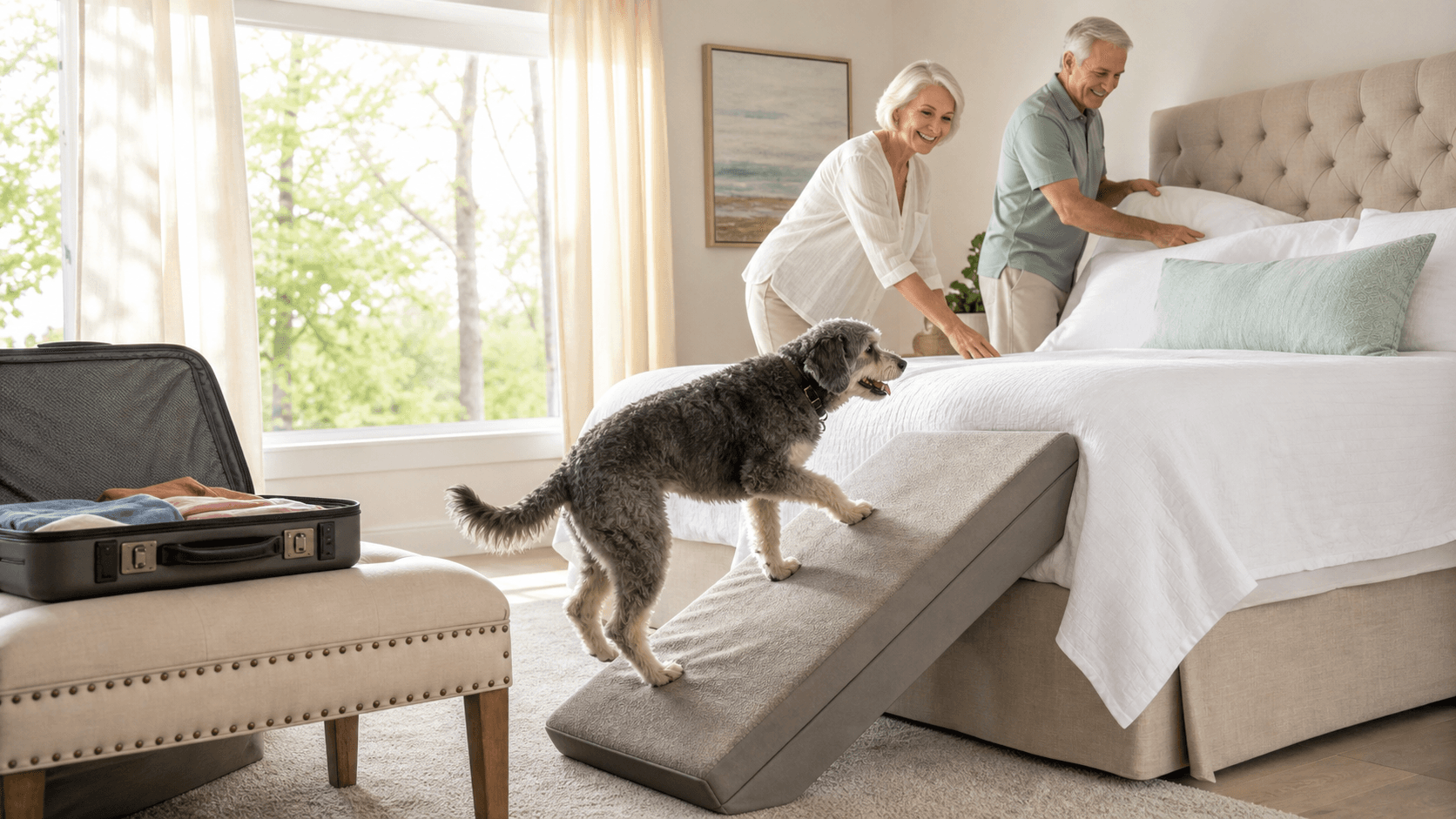
Picking the right ramp starts with a tape measure. Measure from the floor to the top of the surface your dog wants to reach, like the bed or sofa. Your ramp or foam stairs should reach close to that height so your dog steps off at a natural, level point instead of still needing a little jump.
Think about ramps versus foam stairs:
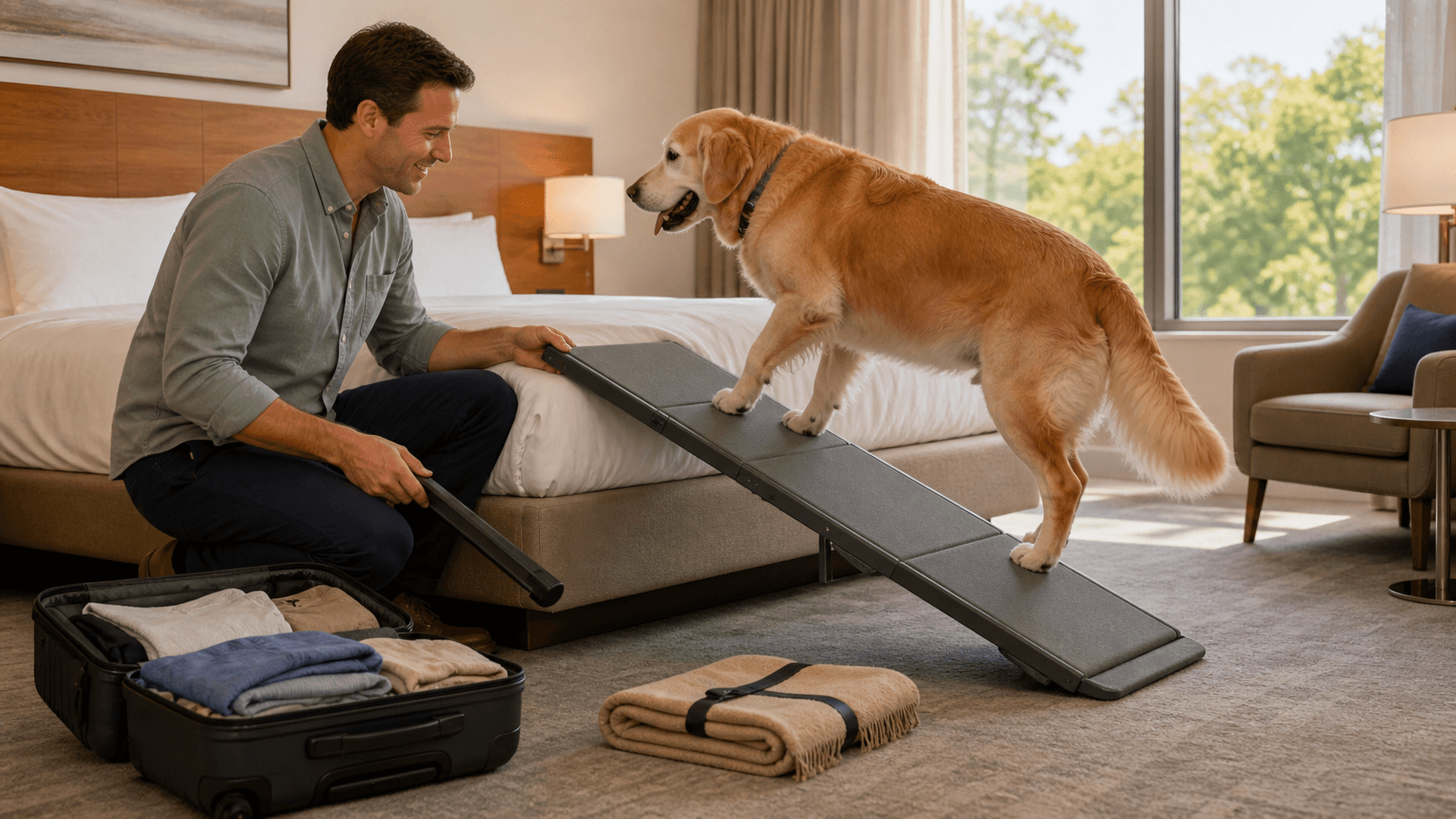
- Long, low incline ramps are often better for large breeds or dogs with severe arthritis, weak backs, or very limited mobility
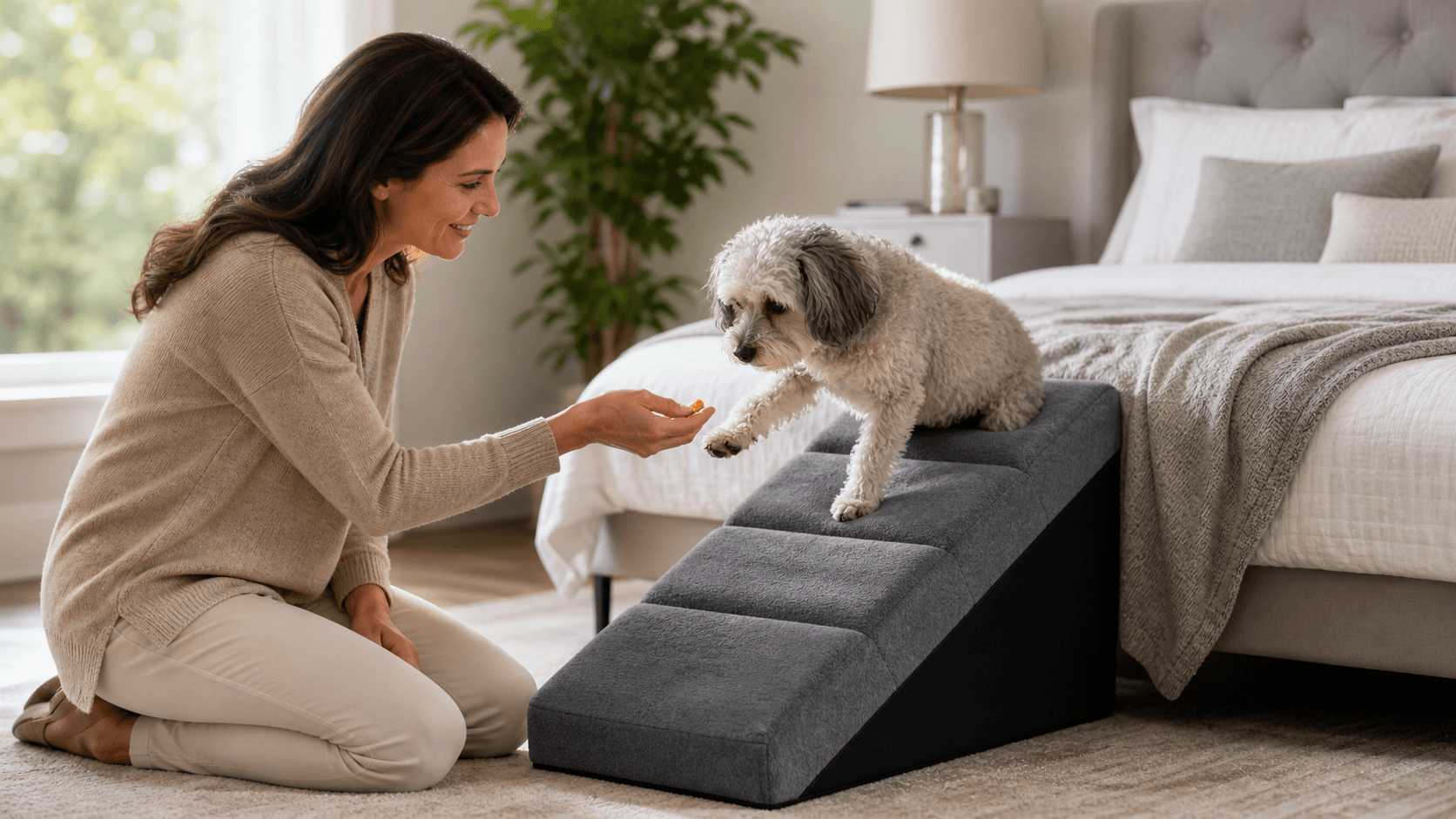
- Wide, shallow foam steps can work well for smaller dogs, younger arthritic pets, or those who can still climb but should not jump
Also keep in mind:
- Weight and size: choose high-density foam that holds your dog's weight without sinking too deeply
- Footprint: pick a shape that fits your bedroom, living room, or other tight spaces so it can stay put
As late September brings shorter days, colder nights, and sometimes icy sidewalks, many dogs get less outdoor exercise. That makes safe, gentle indoor movement even more important. A well-chosen therapeutic dog ramp can help keep them moving in a controlled, low-impact way.
Training Your Dog to Love Their New Ramp
Some dogs walk right up a new ramp. Others look at it like it might bite. A slow, reward-based approach usually works best.
Start with:
- Letting your dog sniff and explore the ramp while it is flat or at a very low height
- Using high-value treats and praise any time they show interest
- Keeping sessions short, fun, and stress-free
Then, build up step by step. Lure or gently guide your dog:
- Onto the bottom step or first section of the ramp
- Halfway up, then back down
- All the way up to the furniture, then back down the same way
Move at your dog's pace. If they hesitate, go back a step and reward small tries. Many dogs who were scared by hard plastic or wobbly ramps feel more confident on stable foam ramps that do not rattle or shift under their feet. When in doubt, check with your vet or rehab therapist so ramp training lines up with any activity limits after surgery.
Simple Daily Habits That Protect Healing Joints
A therapeutic dog ramp works best as part of a full, joint-friendly home setup. You can create gentle rules and habits that help your dog stay safe.
Helpful daily habits include:
- Making "no jump zones" by placing the ramp at the main access point to the bed or couch and blocking other sides if needed
- Pairing the ramp with non-slip rugs or runners in slick hallways
- Using raised food and water bowls so your dog does not have to bend as far
Try to be consistent. Guide your dog to use the ramp every time, especially when they are excited to greet someone, sleepy at bedtime, or stiff on chilly mornings and evenings. As fall moves along, keep an eye on how your dog moves. If they slow down, slip more, or seem unsure, adjust ramp placement, pick a different incline, or add other support products to keep their path as soft and safe as possible.
A thoughtfully chosen therapeutic dog ramp can reduce strain, protect healing joints, and help your dog hold onto their favorite routines even as temperatures drop. At Royal Ramps, we focus on premium, made in the USA foam ramps and stairs with furniture-grade covers, so your dog's comfort can blend right into your home.
Small, practical changes, like adding the right ramp and building consistent habits around it, can give an arthritic or post-surgery dog more comfort, confidence, and independence through the colder seasons and beyond.
Support Your Dog's Comfort and Mobility Today
Give your dog a safer, gentler way to reach their favorite spots with a thoughtfully designed therapeutic dog ramp. At Royal Ramps, we focus on supportive solutions that help reduce stress on joints and improve daily comfort. If you have questions about sizing, materials, or how our ramps can fit into your home, feel free to contact us. Let us help you choose the right ramp so your dog can move with more confidence every day.