Give Senior Pets Safe Access Without Stress
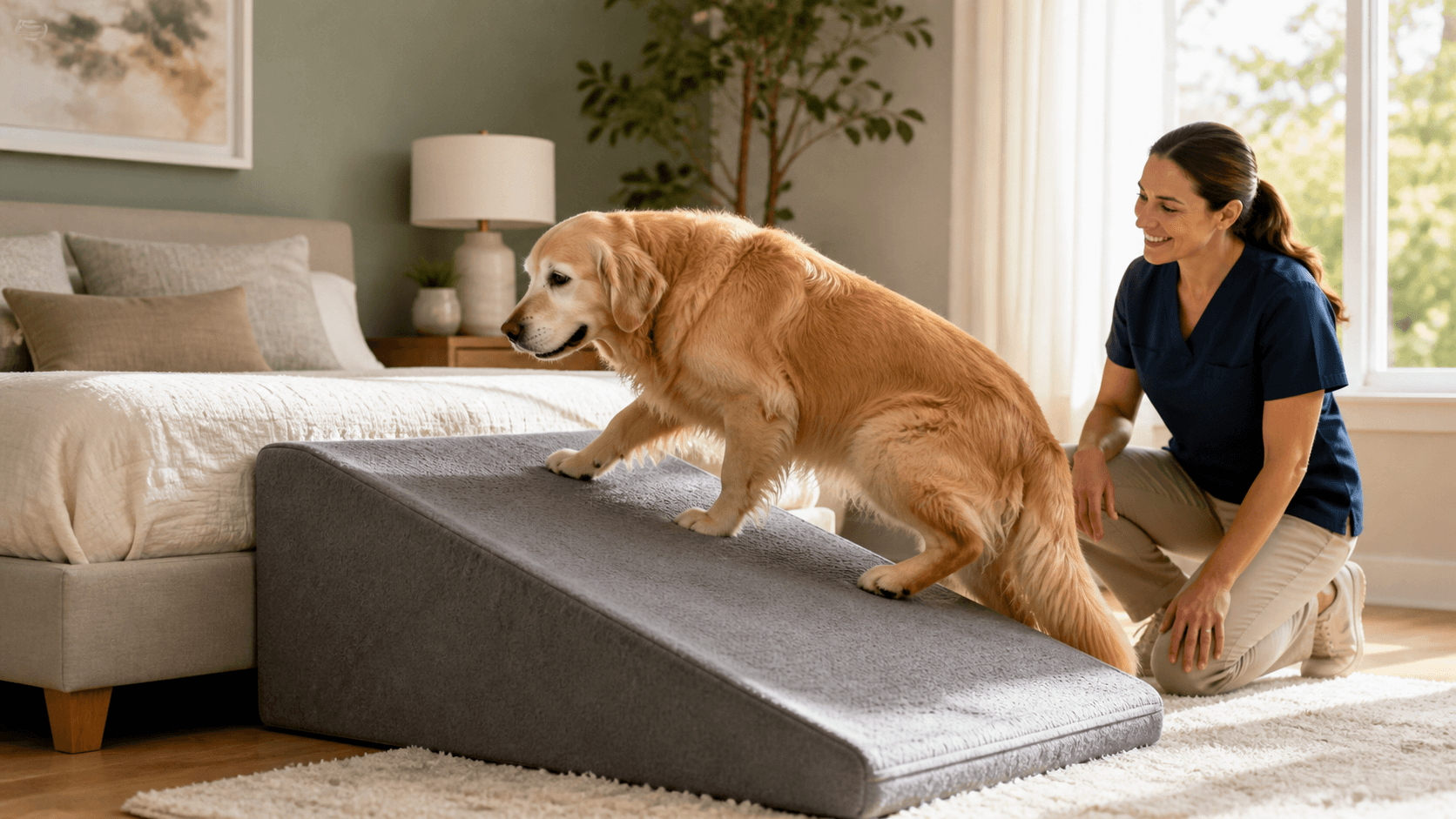
Helping an older dog get on the bed or couch should not feel like a daily struggle. When we see a senior pup pause, gather courage, then try to jump, we know there is pain and worry hiding behind that little hop. In a busy home with more than one pet, that stress can grow fast. Younger animals race around, furniture becomes a shared zone, and one awkward jump can lead to a hard fall.
The right pet ramps for elderly dogs can change that scene completely. A good ramp protects tired joints, lowers the chance of injury, and makes life calmer for everyone in the house. In multi-pet homes, we also need to think about traffic, sharing, and safety for every animal using the same spaces. Here, we will walk through what to look for in a ramp, how to use it with several pets, and how to keep things safe as the seasons shift.
Why Elderly Dogs Need Support in Multi-Pet Homes
As dogs age, their bodies simply do not move like they used to. Common changes include stiff joints, arthritis, hip or back pain, and weaker muscles. Some seniors also have cloudy eyes or slower reflexes, so they misjudge distance or lose balance more easily. That big jump to the couch that was once easy can become a painful risk.
The hidden problem is the repeated impact. Every time an older dog launches up or down from a high bed, their front and back legs take a hard hit from gravity and the floor. In a house with several pets, that risk gets even higher. Younger dogs or cats might:
- Race past and bump a senior during a jump
- Cut in front of the ramp or landing spot
- Nudge an older dog that is already unsteady
- Crowd the bed so there is no safe space to land
It is not mean behavior; it is just energy and play. But the result can be slips, twisted joints, or scary falls.
There is also an emotional side. When a dog cannot reach their favorite soft spot, they can feel left out or anxious. They may whine at the edge of the bed or pace on the floor. A gentle ramp lets them keep their routine, stay close to their family, and move with more confidence even in a busy home.
Key Features to Look for in Pet Ramps for Elderly Dogs
Not all ramps are the same, and seniors in multi-pet homes have special needs. A few details make a big difference.
First, the incline matters. A softer, longer slope is much easier on stiff joints than a steep climb. To get the right fit, measure the height of the furniture your dog uses most, like:
- Bed or mattress top
- Main couch or sectional seat
- Favorite chair or window seat
Then look for a ramp height that lines up closely with that surface so your dog can walk straight on without stepping up or down at the top.
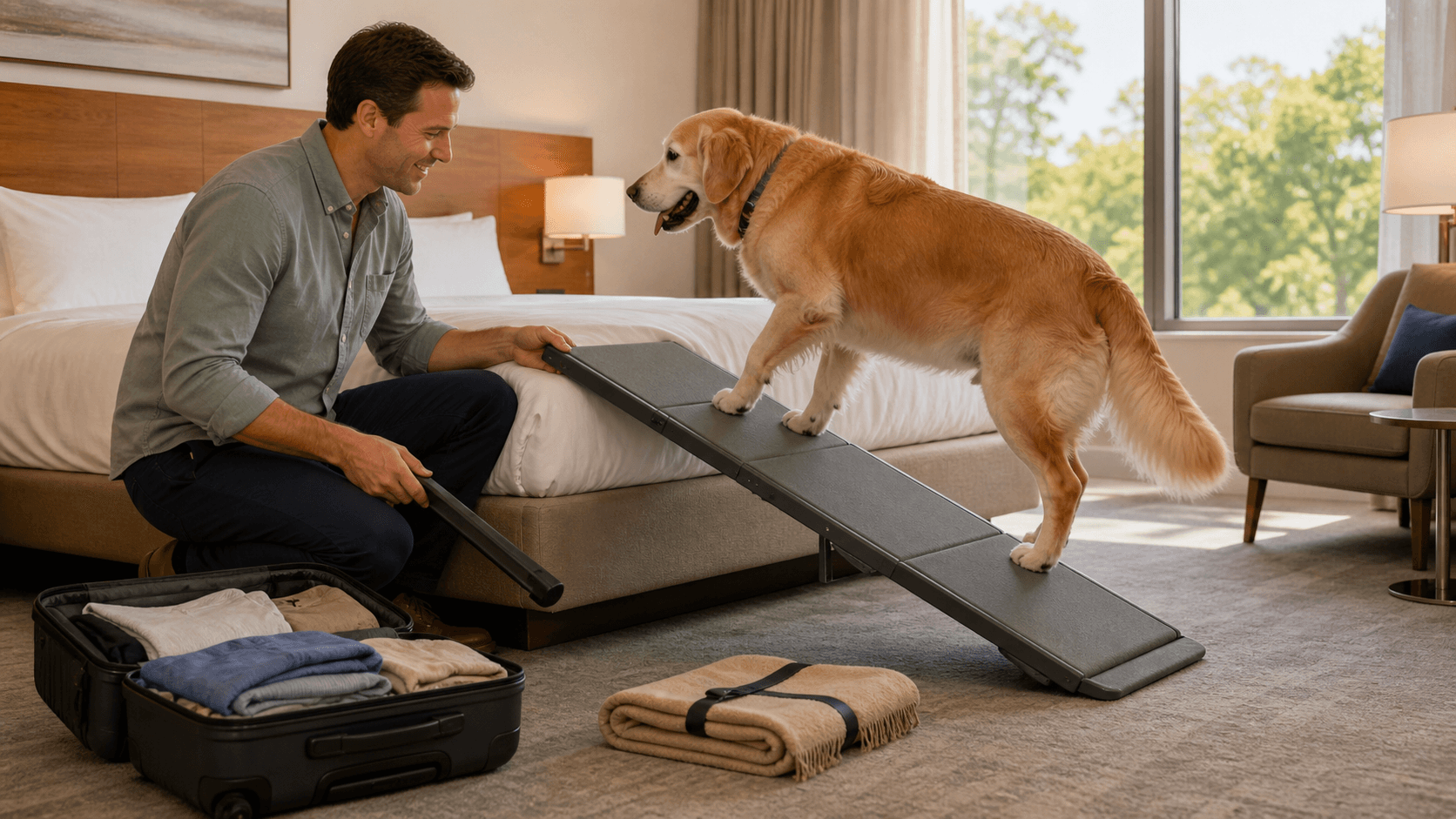
Next, think about how the ramp is built. High-density foam ramps are very kind to aging bodies. The foam cushions every step, which helps protect sore hips, knees, and backs. Because foam is light, it is also easy to move from room to room so seniors can follow the family without hard work from you.
For a home with several pets, stability and traction are key.
- A wide base that does not wobble when bumped
- A non-slip bottom that grips the floor
- A textured, pet-friendly fabric that gives paws secure footing
This way, if a younger dog zooms past or tries to hop on the ramp too, it stays steady and safe.
Multi-pet homes are rarely spotless, and that is okay. But your ramp should be easy to clean. Removable, machine-washable covers are perfect when you are dealing with shedding, drool, damp paws, and the occasional accident. Neutral colors and simple shapes also help the ramp blend into your space, so you are more likely to keep it in place full-time instead of tucking it away.
Making Ramps Work for Every Pet in the House
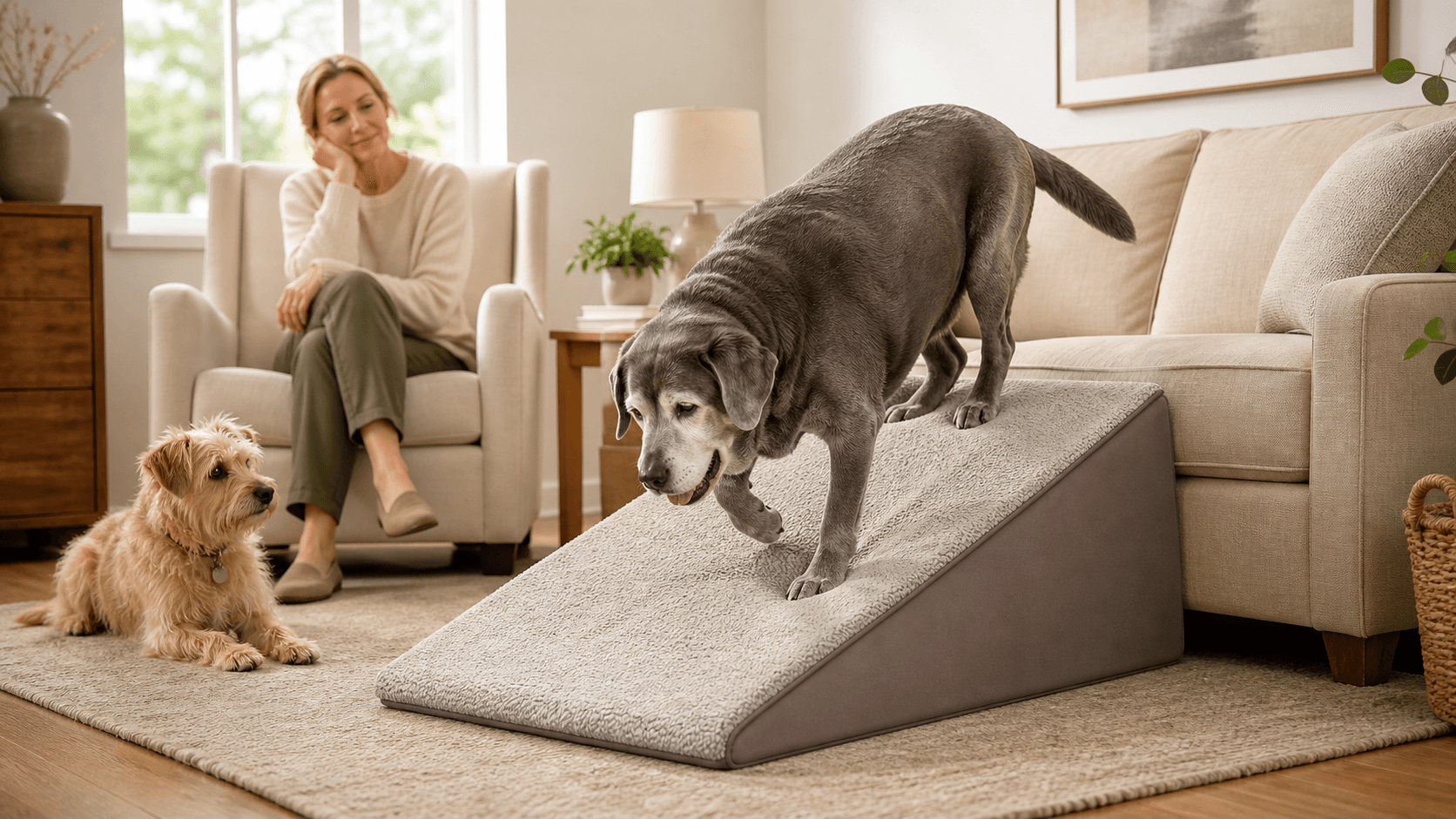
In many homes, one ramp ends up serving more than one pet. That can be a good thing if you choose wisely. Look for a ramp that suits your senior dog first, but that is also safe for smaller adult dogs, curious puppies, or pets recovering from minor injuries. A gentle incline and sturdy surface will work well for most of them.
Placement is a big part of success. To cut down on traffic jams and close calls:
- Place ramps on the side of the bed or couch with the most open floor space
- Keep the bottom of the ramp away from doorways or narrow hallways
- Aim the top of the ramp toward a clear area on the furniture, not crowded pillows
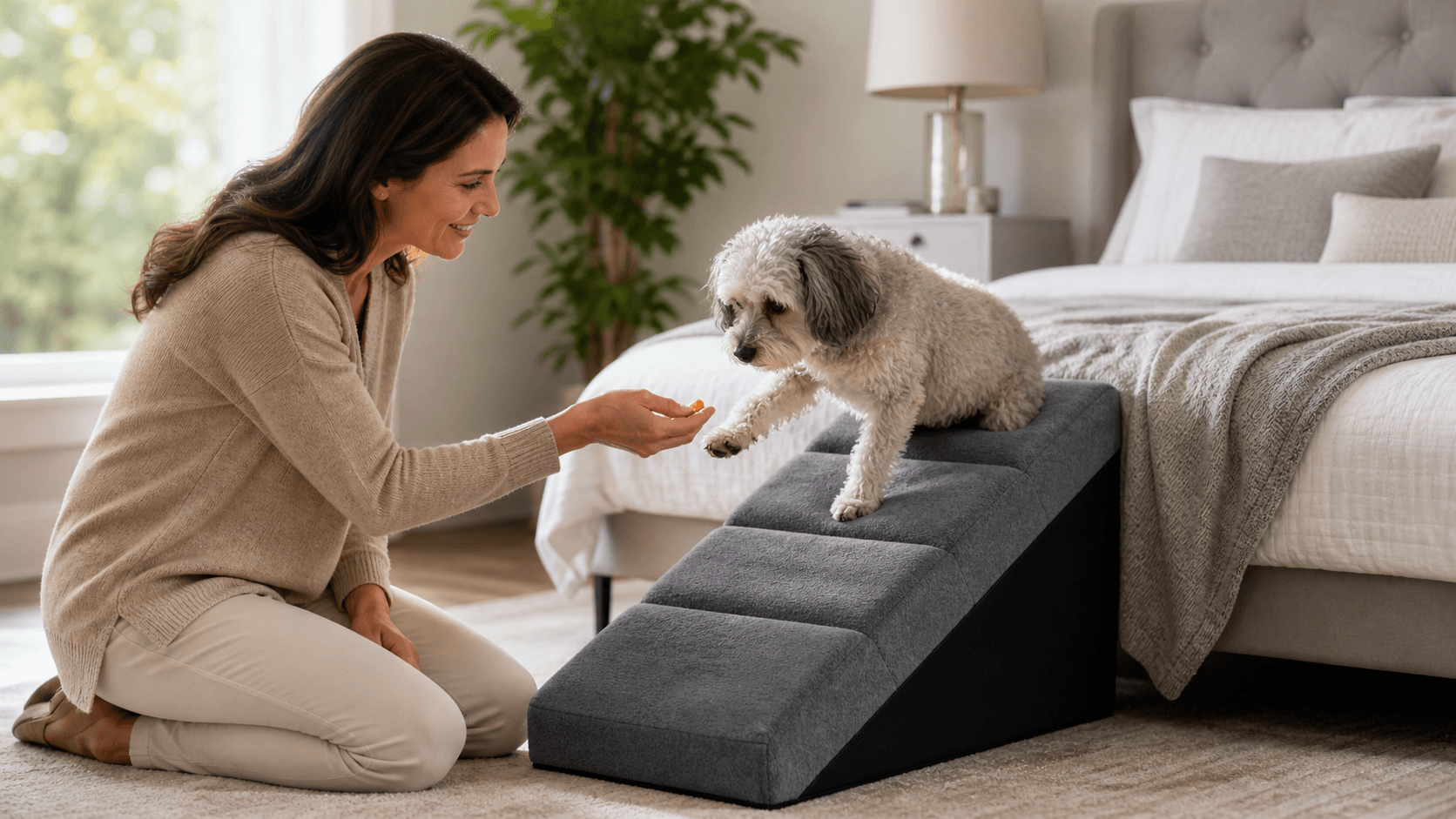
Training your senior dog to use a new ramp should be slow and kind. Start by letting them sniff it on the floor. Then:
- Place treats along the ramp surface
- Walk beside them with a short leash if needed
- Praise calmly for every step forward
- Keep sessions short and end on a win
Younger pets may need lessons too. Teach a simple routine like waiting their turn, or sitting while the senior goes first. Try to stop rough play near the ramp so no one gets knocked off at the top or bottom. Over time, set a house rule like "we always use the ramp for the bed," and stick to it. Clear rules help break old jumping habits and make things safer for everyone.
Seasonal Considerations When Using Pet Ramps
Midsummer brings its own challenges for older dogs and for ramps. Warm weather often means more activity, more walks, and more time going in and out of the house. Wet, sandy, or dusty paws can make any surface slick, including ramps, so it helps to:
- Wipe paws when pets come inside
- Shake out or wash ramp covers more often
- Check traction with your own hand or foot from time to time
Foam ramps are best kept indoors, or in dry, covered spots if you place one near a patio door. Keeping them away from standing water and harsh sun helps the foam and fabric stay in good shape and keeps the surface steady under your dog.
Older dogs can tire quickly in the heat, especially after walks or playtime. Using a ramp instead of jumping lets them save energy and avoids a big strain at the end of an already tiring outing. During high shedding and pollen seasons, removable covers are also a relief. You can toss the cover in the wash, clear off hair and dust, and give your senior a cleaner, more comfortable surface to use.
Summer often brings holiday weekends, guests, and visiting pets, which add even more motion inside the house. A stable, visible ramp acts like a marked path to the bed or couch. It gives your senior dog a clear, trusted route in the middle of all the extra noise and feet.
Help Your Senior Dog Climb Comfortably and Confidently
When we choose pet ramps for elderly dogs with care, we do more than protect joints. We lower the chance of scary falls, calm the chaos that can come with multiple pets, and help our seniors stay close to the spots they love most. In a busy home, a ramp becomes part of the quiet routine that lets every pet share space safely.
A simple plan helps: measure the furniture height, think about your dog's size and current mobility, watch how pets move through your rooms, then pick a ramp with a gentle incline, solid stability, and a washable cover. At Royal Ramps here in the United States, we design high-density foam ramps and stairs with senior comfort, home style, and multi-pet life all in mind. Take a moment today to watch how your older dog is getting up and down from favorite spots, and consider how a well-chosen ramp could keep them cozy, close, and safe for many seasons to come.
Help Your Senior Dog Climb Comfortably and Safely
Give your aging companion the support they deserve with our carefully designed Pet ramps for elderly dogs that blend comfort, stability, and style. At Royal Ramps, we create lightweight, high-density foam solutions that are easy for you to move and gentle on your dog's joints. If you have questions about sizing, materials, or custom options, reach out through our contact page so we can help you choose the right ramp.